Table of Contents
Introduction to Global Shipping
In an increasingly interconnected world, global shipping has become a cornerstone of international trade and commerce. As businesses expand their operations across borders, understanding the complexities of global logistics is essential for success. This article explores the evolution of global shipping, the challenges faced by logistics providers, and the strategies that can be employed to navigate this dynamic landscape effectively.
The Significance of Global Shipping
Facilitating International Trade
Global shipping is vital for facilitating international trade, allowing goods to move seamlessly between countries. It enables businesses to access new markets, source materials from different regions, and distribute products to customers worldwide. The efficiency of global shipping directly impacts the growth and profitability of businesses engaged in international trade.
Economic Contributions
The global shipping industry significantly contributes to the economy by creating jobs, generating revenue, and supporting various sectors. Millions of people are employed in shipping-related jobs, from logistics coordinators to port workers. Additionally, the industry supports ancillary services such as warehousing, customs brokerage, and freight forwarding.
Supply Chain Optimization
Effective global shipping is essential for optimizing supply chains. By ensuring timely delivery of goods, businesses can reduce lead times, minimize inventory costs, and enhance customer satisfaction. A well-managed shipping process contributes to a seamless flow of products from suppliers to consumers, ultimately improving overall operational efficiency.
Key Components of Global Shipping
Shipping Methods
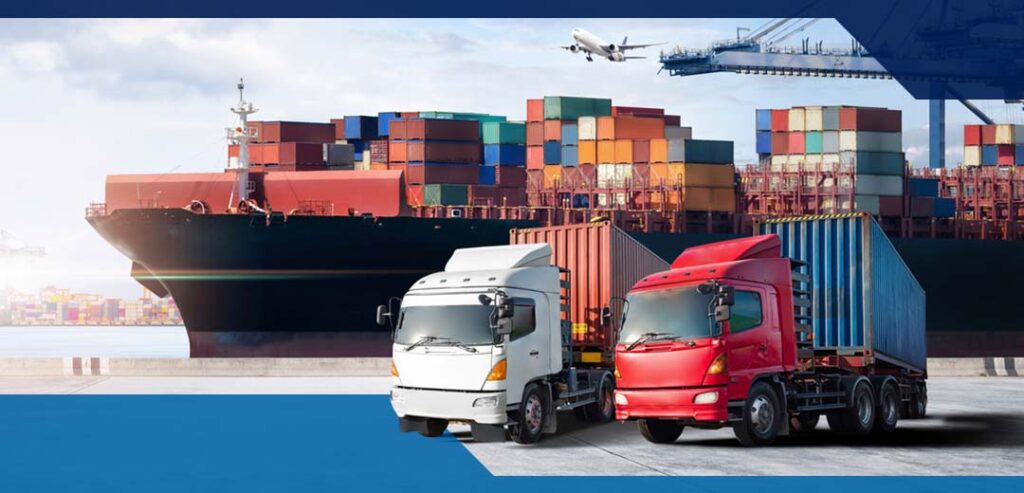
Global shipping encompasses various methods, each with its advantages and disadvantages. The most common shipping methods include:
- Air Freight: Fast and efficient, air freight is ideal for time-sensitive shipments. However, it is often more expensive than other methods.
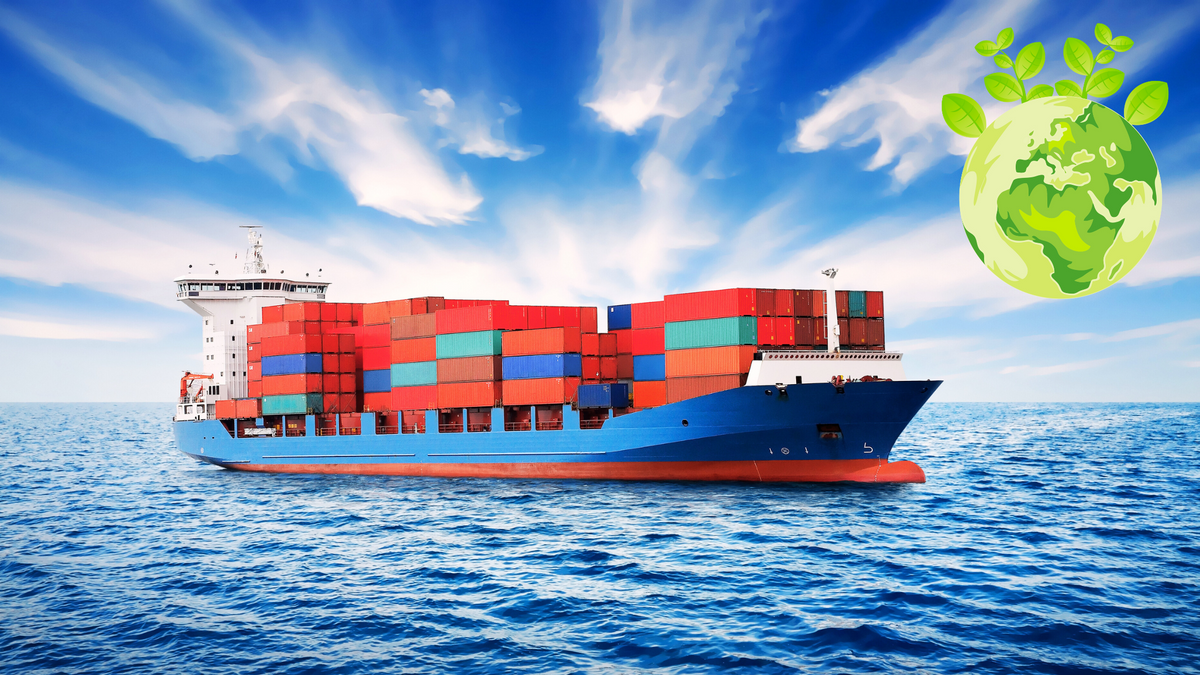
- Ocean Freight: Cost-effective for large shipments, ocean freight is commonly used for bulk goods. It takes longer than air freight but is suitable for non-urgent deliveries.
- Land Transportation: Trucks and trains are used for transporting goods overland. This method is often used for domestic shipping or as part of a multimodal shipping strategy.
Customs and Regulations
Navigating customs and regulations is a critical aspect of global shipping. Each country has its own import and export regulations, tariffs, and documentation requirements. Understanding these regulations is essential for ensuring compliance and avoiding delays in the shipping process.
Packaging and Labeling
Proper packaging and labeling are vital for protecting goods during transit and ensuring they meet regulatory requirements. Packaging should be designed to withstand the rigors of transportation, while labeling must include necessary information such as product details, handling instructions, and customs declarations.
Challenges in Global Shipping
Geopolitical Factors
Geopolitical factors can significantly impact global shipping operations. Trade agreements, tariffs, and political instability can create uncertainties in the shipping process. Businesses must stay informed about geopolitical developments and adapt their strategies accordingly to mitigate risks.
Environmental Concerns
The shipping industry is under increasing pressure to reduce its environmental impact. Concerns about carbon emissions, pollution, and sustainability are driving changes in shipping practices. Companies are exploring eco-friendly shipping options, such as using alternative fuels and optimizing routes to minimize emissions.
Supply Chain Disruptions
Supply chain disruptions, such as natural disasters, pandemics, or labor strikes, can severely impact global shipping operations. Businesses must develop contingency plans to address potential disruptions and ensure continuity in their supply chains.
Cost Management
Managing costs in global shipping can be challenging due to fluctuating fuel prices, tariffs, and other expenses. Companies must continuously analyze their shipping costs and seek ways to optimize their operations to maintain profitability.
Quality Control
Ensuring product quality during shipping is essential, especially when dealing with perishable goods or fragile items. Retailers must implement stringent quality control measures to minimize damage and ensure customer satisfaction.
Strategies for Effective Global Shipping
Partnering with Reliable Logistics Providers
Choosing the right logistics provider is crucial for successful global shipping. Businesses should partner with reputable logistics companies that have experience in international shipping and a strong network of contacts. A reliable logistics provider can help navigate customs, manage documentation, and ensure timely delivery of goods.
Utilizing Technology
Technology plays a vital role in optimizing global shipping operations. Businesses can leverage advanced software solutions for tracking shipments, managing inventory, and analyzing shipping data. Implementing technology can enhance visibility, streamline processes, and improve decision-making.
- Transportation Management Systems (TMS): A TMS can help businesses plan, execute, and optimize the movement of goods, providing real-time visibility into shipping operations.
- Warehouse Management Systems (WMS): A WMS can improve inventory management and order fulfillment processes, ensuring that products are stored and shipped efficiently.
Implementing Sustainable Practices
As environmental concerns grow, businesses must adopt sustainable shipping practices. This includes optimizing transportation routes, reducing packaging waste, and exploring eco-friendly shipping options. By prioritizing sustainability, companies can enhance their brand reputation and appeal to environmentally conscious consumers.
- Carbon Offsetting: Companies can invest in carbon offset programs to mitigate their environmental impact. This involves funding projects that reduce greenhouse gas emissions, such as reforestation or renewable energy initiatives.
- Sustainable Packaging: Using biodegradable or recyclable packaging materials can reduce waste and appeal to eco-conscious consumers.
Continuous Training and Development
Investing in training and development for employees involved in global shipping is essential for maintaining efficiency and compliance. Regular training sessions can help staff stay updated on industry trends, regulations, and best practices, ensuring that the shipping process runs smoothly.
- Cross-Training Employees: Cross-training employees in various aspects of shipping and logistics can enhance flexibility and ensure that operations continue smoothly in case of staff shortages.
Building Strong Relationships with Customers
Engaging with customers is vital for building brand loyalty and driving sales. Retailers should utilize social media, email marketing, and personalized promotions to connect with their audience and encourage repeat purchases.
- Customer Feedback: Actively seeking customer feedback can help businesses identify areas for improvement and enhance the overall shipping experience.
The Future of Global Shipping
Trends Shaping the Industry
The global shipping industry is evolving rapidly, driven by technological advancements and changing consumer expectations. Key trends to watch include:
- Automation: The use of automation in shipping processes, such as robotic sorting and automated warehouses, is expected to increase efficiency and reduce labor costs.
- Blockchain Technology: Blockchain technology is being explored for enhancing transparency and security in shipping transactions. It can streamline documentation and reduce fraud.
- E-Commerce Growth: The rise of e-commerce is driving demand for efficient global shipping solutions. Businesses must adapt to meet the expectations of online consumers for fast and reliable delivery.
The Role of Artificial Intelligence
Artificial intelligence (AI) is set to revolutionize the global shipping industry by enabling more efficient operations and personalized customer experiences. AI can analyze vast amounts of data to optimize shipping routes, predict demand, and enhance inventory management.
- Predictive Analytics: AI-powered predictive analytics can help businesses forecast demand and adjust their shipping strategies accordingly, reducing costs and improving service levels.
- Chatbots and Virtual Assistants: Implementing AI-driven chatbots can enhance customer service by providing instant support and information about shipping status.
Conclusion
Global shipping is a complex yet essential component of international trade. By understanding its significance, challenges, and strategies for success, businesses can navigate the intricacies of global logistics and thrive in the competitive marketplace. As the industry continues to evolve, staying informed and adaptable will be key to achieving long-term success.
Unlock the potential of global shopping with LooperBuy, where you can find a vast selection of products delivered efficiently to your doorstep, ensuring a seamless shopping experience. Start exploring today at https://looperbuy.com/.
Related Questions & Answers
· What are the best practices for packaging goods for international shipping? Effective packaging practices include using durable materials, ensuring proper cushioning, and clearly labeling packages to prevent damage during transit.
· How do geopolitical events affect global shipping operations? Geopolitical events can lead to changes in trade agreements, tariffs, and shipping routes, impacting delivery times and costs.
· What role does customer service play in global shipping? Customer service is crucial in global shipping as it helps address inquiries, resolve issues, and enhance the overall customer experience, leading to increased satisfaction and loyalty.
· What are the key factors in choosing a global shipping partner? Key factors include the provider’s experience, network capabilities, technology integration, and customer service reputation.
· What innovative technologies are currently being implemented to improve global shipping efficiency? Innovative technologies include AI for predictive analytics, blockchain for transparency, and automation for streamlined operations.
Hot Tags: Global Shipping; E-Commerce; Supply Chain Management; Logistics Providers; Sustainable Practices; Technology in Shipping; Customs Regulations; Shipping Methods; Industry Trends