Table of Contents
Introduction: The Science of Freshness in Your Lunch Box
In an era where convenience often trumps quality, the humble ice pack has become an unsung hero in the battle against lukewarm meals and spoiled perishables. Whether you’re packing a lunch for work, school, or a picnic, the right ice pack can make the difference between a disappointing meal and a refreshing culinary experience. This guide explores the technology behind lunch box cooling systems, the different types of ice packs available, and how to use them effectively to keep your food fresh and safe.
The Science Behind Ice Packs and Food Preservation
How Ice Packs Lower Temperature in Lunch Boxes
Ice packs work by absorbing heat from their surroundings through an endothermic reaction. When the gel or liquid inside the pack freezes, it maintains a low temperature for hours, creating a microclimate within the lunch box that slows bacterial growth and keeps perishable items cool.
The Role of Temperature Control in Food Safety
The USDA recommends keeping perishable foods at 40°F (4°C) or below to prevent bacterial growth. Ice packs help maintain this safe temperature range, especially during warm weather or when refrigeration isn’t immediately available.

Types of Ice Packs for Lunch Boxes
Gel-Based Ice Packs: The Classic Choice
Gel packs remain the most popular option due to their flexibility and ability to conform to the shape of lunch boxes. They freeze solid but remain cold for several hours, making them ideal for most lunch-packing needs.
Blue Ice Packs: Durable and Reusable
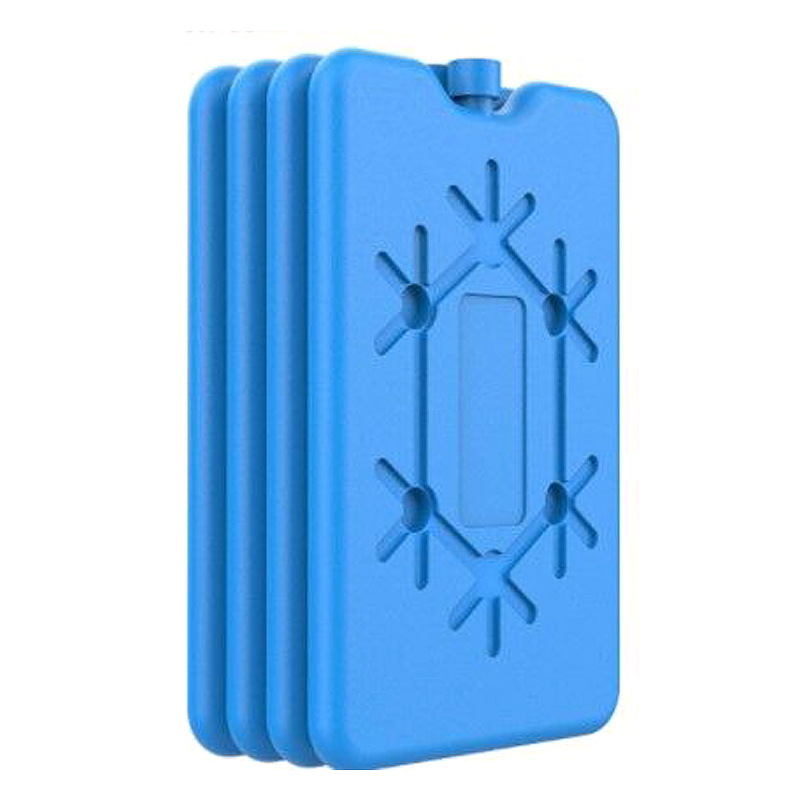
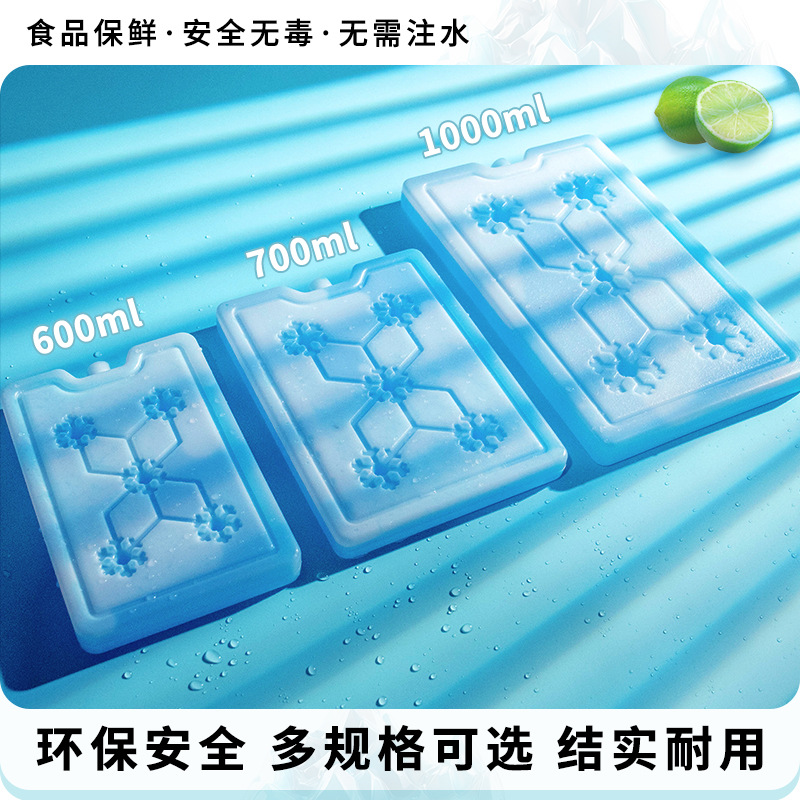
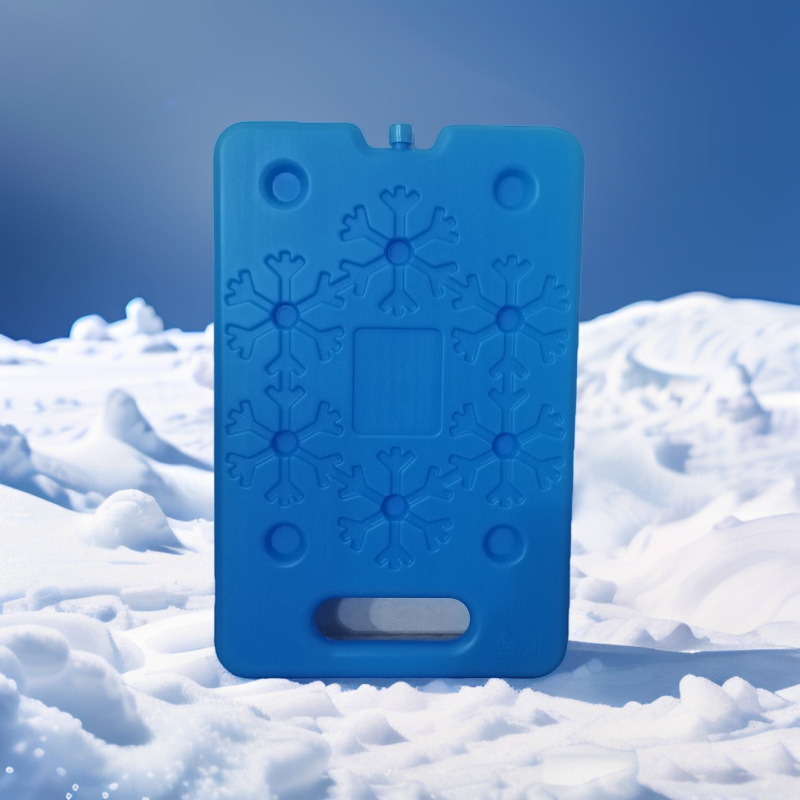
These rigid plastic containers filled with a non-toxic freezing gel offer superior durability compared to traditional gel packs. Their solid form makes them less prone to leaks and better suited for heavy-duty use.
Phase Change Materials (PCMs): Advanced Temperature Regulation
PCMs are engineered to melt and freeze at specific temperatures, providing more precise temperature control than standard ice packs. Some high-end lunch boxes now incorporate PCM technology for optimal food safety.
Natural Alternatives: Frozen Water Bottles and Fruit
For eco-conscious consumers, frozen water bottles or even frozen fruit slices can serve as natural ice packs. While less consistent in temperature control, these options eliminate waste and provide hydration or snacks.
Choosing the Right Ice Pack for Your Needs
Size and Shape Considerations
The ideal ice pack should fit snugly in your lunch box without taking up excessive space. Some models feature contoured designs to maximize contact with containers while minimizing movement during transport.
Freezing Time and Duration
Different ice packs freeze at varying rates and maintain their cold temperature for different durations. Quick-freezing packs are convenient for last-minute packing, while long-lasting options are better for all-day freshness.
Leak-Proof Design and Material Safety
Look for ice packs with durable, BPA-free materials and secure seams to prevent leaks. A good ice pack should maintain its integrity even when jostled during transit.
Best Practices for Using Ice Packs in Lunch Boxes
Optimal Placement for Maximum Cooling Efficiency
Place ice packs on top of perishable items or between hot and cold foods to create temperature barriers. Some lunch boxes feature dedicated ice pack compartments for efficient cooling.
Combining Ice Packs with Insulated Containers
Insulated lunch boxes extend the cooling power of ice packs by slowing heat transfer. Look for boxes with thick walls, airtight seals, and reflective linings for maximum temperature retention.
Packing Strategies for Different Food Types
Separate wet and dry foods to prevent sogginess, and place items that need the coldest temperatures (like dairy or meat) closest to the ice packs. Use compartmentalized containers to keep foods separate and maintain optimal temperatures.
Special Considerations for Different Lunch Packing Scenarios
Workplace Lunches: Balancing Freshness and Convenience
For office environments, consider ice packs that fit discreetly into briefcases or desk drawers. Some professionals prefer smaller, flat packs that can be tucked into lunch bags without taking up much space.
School Lunches: Safety and Durability Requirements
Children’s lunch boxes need extra-durable ice packs that can withstand being tossed around. Brightly colored or character-themed packs can make packing more fun while still keeping food safe.
Outdoor Adventures: Extreme Temperature Solutions
For picnics, hikes, or camping trips, consider heavy-duty ice packs designed to maintain low temperatures for extended periods. Some outdoor enthusiasts use multiple packs or combine them with reflective cooling blankets.
Innovations in Lunch Box Cooling Technology
Smart Ice Packs with Temperature Indicators
Some modern ice packs feature built-in temperature sensors or color-changing indicators that show when the pack is actively cooling. This technology takes the guesswork out of food safety.
Eco-Friendly and Biodegradable Options
With growing environmental concerns, many companies now offer ice packs made from biodegradable materials or filled with non-toxic, plant-based gels that are safer for landfills and waterways.
Integrated Cooling Systems in Modern Lunch Boxes
The latest innovation combines ice packs with active cooling elements, such as small rechargeable fans or Peltier effect cooling plates, for high-tech temperature management.
Conclusion: Making the Most of Your Lunch Box Cooling System
From simple gel packs to advanced temperature-control systems, the right cooling solution can transform your lunch-packing experience. By understanding the different types of ice packs, their optimal uses, and best practices for packing, you can ensure your meals stay fresh, safe, and delicious no matter where your day takes you.
How to purchase: https://looperbuy.com/search?keywords=ice+packs+for+lunch+boxes&globalType=1688
Frequently Asked Questions (FAQs)
- How long do typical ice packs stay cold in a lunch box? Most standard gel ice packs maintain their cooling effect for 3-5 hours, though this varies based on factors like initial freezing temperature, insulation quality, and ambient temperature. High-performance packs or those using phase change materials may last 6-8 hours or more.
- Can I reuse ice packs indefinitely, or do they wear out? With proper care, quality ice packs can last for years. Over time, the gel inside may degrade slightly, reducing effectiveness. Signs of wear include reduced cooling time, leaks, or stiffening of the outer material. Replace packs that no longer hold their shape or freeze properly.
- Are there any safety concerns with using ice packs in lunch boxes? Always use food-safe, BPA-free ice packs. Avoid placing packs directly against metal containers, which can cause condensation and potential rusting. Never use damaged packs that might leak, and ensure children understand not to open or puncture them.
- What’s the best way to clean and maintain ice packs? Wipe down ice packs with mild soap and water after each use, especially if they’ve come into contact with sticky or greasy foods. Allow them to dry completely before refreezing. Periodically check for cracks or leaks and replace any compromised packs.
- Can I make my own DIY ice packs at home? Yes, a simple homemade version involves filling a resealable plastic bag with a 2:1 mixture of water and rubbing alcohol (which won’t freeze solid) or dish soap. While cheaper, these may not maintain consistent temperatures as well as commercial packs and could potentially leak more easily.
Hot Tags: Ice packs for lunch boxes; Food safety tips; Lunch box insulation; Reusable ice packs; Portable cooling solutions; Meal prep accessories; Eco-friendly lunch packing; Thermal food containers; School lunch ideas; Workplace nutrition