In the ever-evolving world of e-commerce, dropshipping has emerged as a popular business model, allowing entrepreneurs to sell products without the need for inventory. The allure of starting a dropshipping business for free is particularly enticing for those looking to enter the market with minimal financial risk. This article will explore the ins and outs of free dropshipping, providing you with the knowledge and tools necessary to launch your own successful venture.
Table of Contents
Understanding Dropshipping
What is Dropshipping?
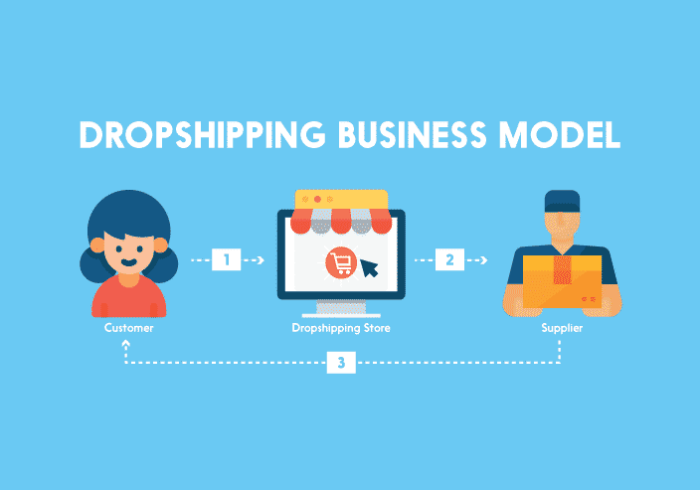
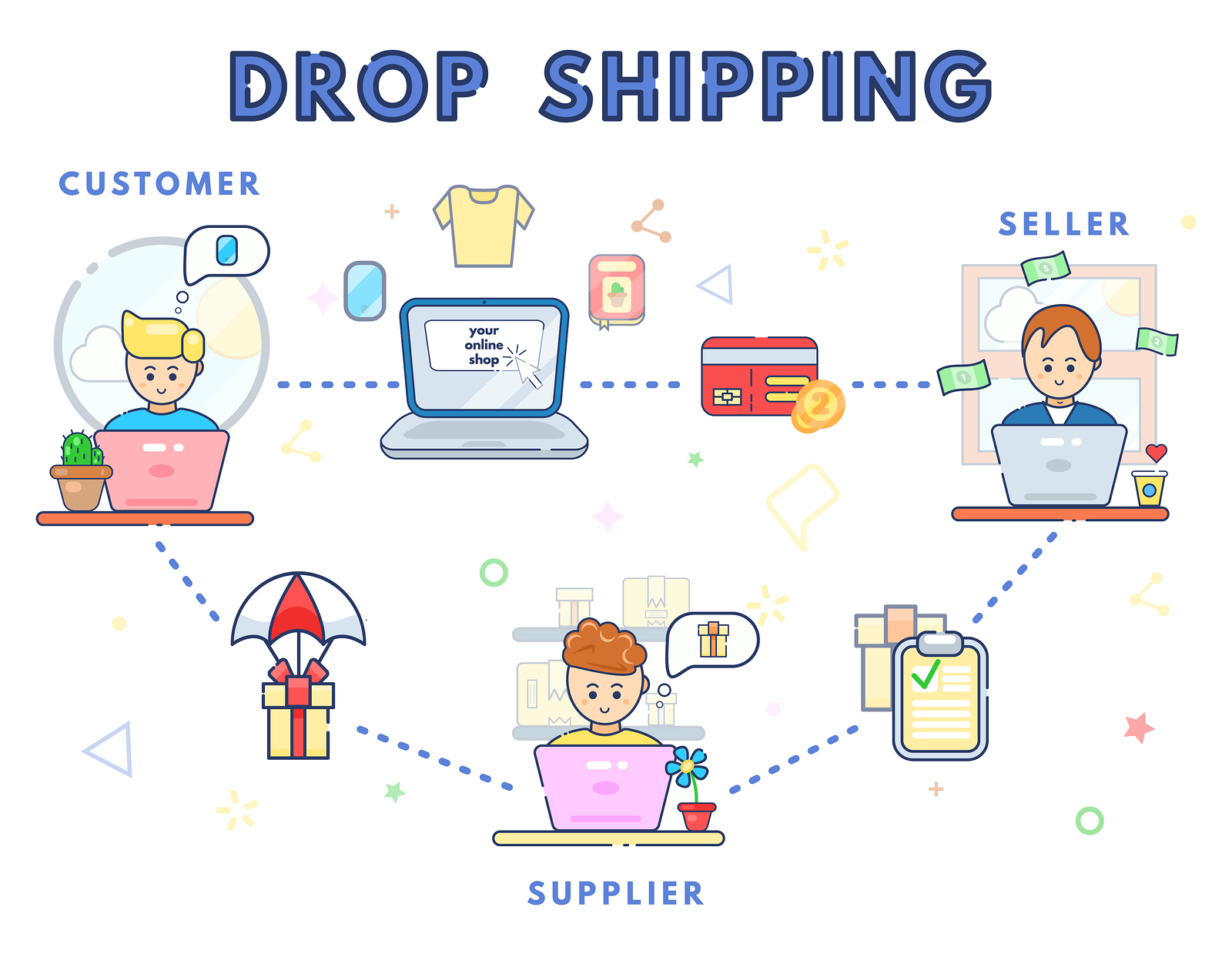
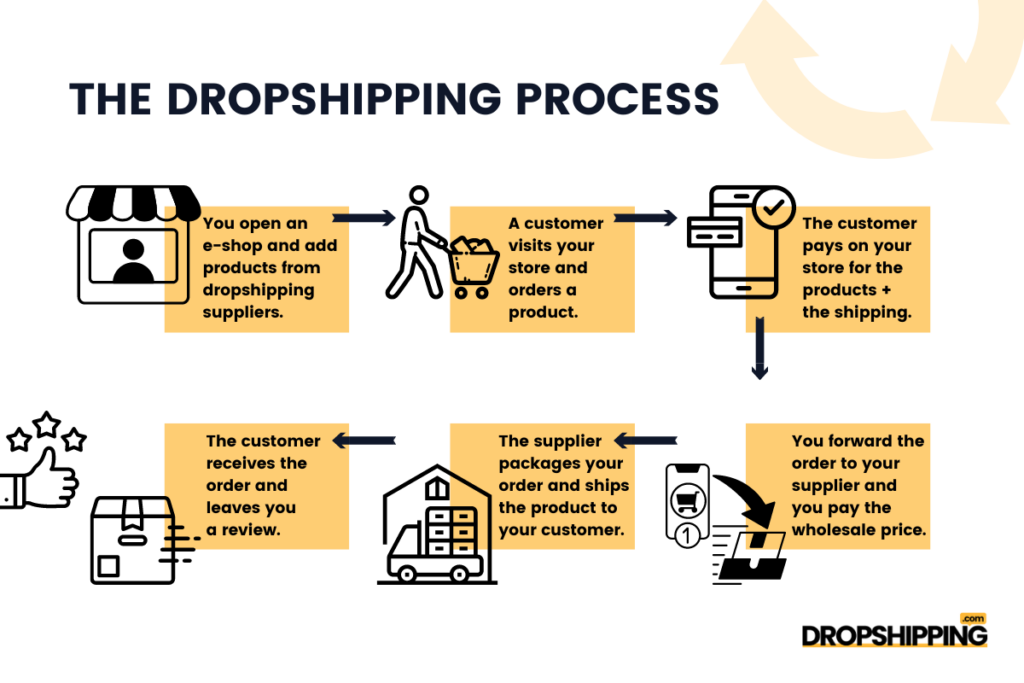
Dropshipping is a retail fulfillment method where a store does not keep the products it sells in stock. Instead, when a store sells a product, it purchases the item from a third party and has it shipped directly to the customer. This means that the seller never sees or handles the product, allowing for a streamlined business model that minimizes overhead costs.
How Does Dropshipping Work?
The dropshipping process involves several key steps:
- Setting Up an Online Store: Entrepreneurs can create an online store using various e-commerce platforms that cater to dropshipping.
- Choosing a Niche: Selecting a specific market or product category is crucial for targeting the right audience.
- Finding Suppliers: Reliable suppliers are essential for ensuring product quality and timely delivery.
- Listing Products: Once suppliers are secured, products can be listed on the online store with appropriate descriptions and pricing.
- Processing Orders: When a customer places an order, the seller forwards the order details to the supplier, who then ships the product directly to the customer.
The Benefits of Free Dropshipping
Low Startup Costs
One of the most significant advantages of dropshipping is the low barrier to entry. Many platforms offer free trials or no upfront costs, allowing entrepreneurs to start their businesses without significant financial investment. This is particularly beneficial for those who may not have the capital to invest in inventory.
Flexibility and Scalability
Dropshipping provides the flexibility to operate from anywhere with an internet connection. Additionally, as the business grows, it can easily scale by adding new products or expanding into new markets without the constraints of inventory management. This scalability is particularly appealing for entrepreneurs looking to grow their businesses over time.
Diverse Product Range
With dropshipping, entrepreneurs can offer a wide variety of products without the need to purchase them upfront. This allows for experimentation with different niches and products to find what resonates with customers. The ability to test various products without financial risk can lead to discovering high-demand items that can significantly boost sales.
Minimal Risk
Since you don’t have to invest in inventory upfront, the financial risk associated with starting a dropshipping business is significantly lower. If a product doesn’t sell, you won’t be left with unsold stock, making it easier to pivot your business strategy as needed. This flexibility allows entrepreneurs to adapt to market trends and consumer preferences quickly.
Access to Global Markets
Dropshipping enables entrepreneurs to access global markets without the need for physical presence. You can sell products to customers around the world, expanding your reach and potential customer base. This global access can lead to increased sales opportunities and the ability to tap into emerging markets.
No Inventory Management
One of the most appealing aspects of dropshipping is that you do not have to manage inventory. This means you can focus on marketing and customer service rather than worrying about stock levels, storage costs, or inventory turnover. This aspect is particularly beneficial for new entrepreneurs who may not have experience in inventory management.
Enhanced Cash Flow
Since you only pay for products after you make a sale, dropshipping can lead to improved cash flow. This model allows you to reinvest profits back into your business more quickly, enabling you to scale operations and expand your product offerings without the burden of upfront inventory costs.
How to Start Dropshipping for Free
Step 1: Choose the Right Platform
Selecting the right e-commerce platform is crucial for your dropshipping business. Some popular options include those that offer user-friendly interfaces and robust features tailored for dropshipping. Consider factors such as ease of use, payment options, and integration capabilities when making your choice.
Step 2: Identify Your Niche
Choosing a niche is essential for targeting your audience effectively. Consider factors such as market demand, competition, and your personal interests. Research trending products and analyze competitors to identify gaps in the market. Tools like Google Trends and social media platforms can provide insights into what products are currently popular.
Step 3: Find Reliable Suppliers
Finding trustworthy suppliers is critical for the success of your dropshipping business. Platforms that connect you with a wide range of suppliers can be invaluable. Look for suppliers with good reviews, reliable shipping times, and quality products. Establishing a good relationship with your suppliers can also lead to better pricing and service.
Step 4: Set Up Your Online Store
Once you have chosen a platform and identified your niche, it’s time to set up your online store. Customize your store’s design, add product listings, and ensure that the checkout process is seamless. Utilize high-quality images and compelling product descriptions to attract customers. Consider implementing SEO strategies to improve your store’s visibility in search engine results.
Step 5: Market Your Store
Effective marketing is essential for driving traffic to your online store. Utilize social media platforms, content marketing, and search engine optimization (SEO) to reach your target audience. Consider running paid advertising campaigns to boost visibility and sales. Collaborating with influencers in your niche can also help you reach a broader audience.
Step 6: Analyze and Optimize
Once your store is up and running, it’s crucial to monitor its performance. Use analytics tools to track visitor behavior, sales, and conversion rates. This data can help you identify what’s working and what needs improvement. Regularly optimizing your product listings, marketing strategies, and website design can lead to increased sales and customer satisfaction.
Step 7: Build a Brand
Creating a strong brand identity is essential for standing out in the competitive dropshipping market. Develop a unique logo, consistent color scheme, and a clear brand message that resonates with your target audience. Building a brand can foster customer loyalty and encourage repeat purchases, which are vital for long-term success.
Step 8: Provide Excellent Customer Service
Customer service plays a crucial role in the success of your dropshipping business. Since you won’t be handling the products directly, it’s essential to communicate effectively with your suppliers to resolve any issues that may arise. Promptly addressing customer inquiries and complaints can lead to higher customer satisfaction and repeat business. Consider implementing a customer support system, such as live chat or email support, to enhance the customer experience.
Step 9: Stay Informed About Market Trends
The e-commerce landscape is constantly changing, and staying informed about market trends is essential for success. Regularly read industry blogs, attend webinars, and participate in online forums to keep up with the latest developments in dropshipping and e-commerce. Understanding emerging trends can help you adapt your business strategy and stay ahead of the competition.
Step 10: Leverage Technology
Utilizing technology can streamline your dropshipping operations and improve efficiency. Consider using automation tools for order processing, inventory management, and customer relationship management. These tools can save you time and reduce the likelihood of errors, allowing you to focus on growing your business.
Step 11: Create Engaging Content
Content marketing is a powerful tool for attracting and retaining customers. Create engaging blog posts, videos, and social media content that provides value to your audience. This not only helps establish your brand as an authority in your niche but also drives organic traffic to your store. Consider sharing tips, product reviews, and industry news to keep your audience engaged.
Step 12: Utilize Email Marketing
Email marketing is an effective way to nurture leads and convert them into customers. Build an email list by offering incentives such as discounts or exclusive content. Use email campaigns to promote new products, share special offers, and keep your audience informed about your brand. Personalizing your emails can significantly improve engagement and conversion rates.
Step 13: Monitor Your Competition
Keeping an eye on your competitors can provide valuable insights into market trends and consumer preferences. Analyze their product offerings, pricing strategies, and marketing tactics. This information can help you identify opportunities for differentiation and improvement in your own business.
Step 14: Test and Iterate
The dropshipping business model allows for flexibility and experimentation. Don’t be afraid to test different products, marketing strategies, and pricing models. Use A/B testing to determine what resonates best with your audience. Continuously iterating on your approach can lead to improved performance and increased sales.
Step 15: Build a Community
Creating a community around your brand can enhance customer loyalty and engagement. Utilize social media platforms to interact with your audience, respond to comments, and encourage discussions. Building a community can foster a sense of belonging among your customers, making them more likely to return to your store.
Step 16: Focus on Sustainability
As consumers become more environmentally conscious, focusing on sustainability can set your dropshipping business apart. Consider sourcing products from suppliers that prioritize eco-friendly practices. Highlighting your commitment to sustainability can attract customers who value ethical shopping.
Challenges of Free Dropshipping
Competition
The low barrier to entry in dropshipping means that competition can be fierce. It’s essential to differentiate your store through unique branding, exceptional customer service, and targeted marketing strategies. Building a strong brand identity can help you stand out in a crowded market.
Supplier Reliability
Working with suppliers can be challenging, especially if they fail to deliver products on time or provide poor-quality items. Establish clear communication with suppliers and consider ordering samples to ensure product quality before listing them in your store. Having backup suppliers can also mitigate risks associated with supplier reliability.
Profit Margins
Dropshipping typically involves lower profit margins compared to traditional retail models. It’s crucial to price products competitively while still ensuring profitability. Consider factors such as shipping costs and platform fees when setting prices. Offering value-added services, such as free shipping or bundled products, can help improve your margins.
Customer Service
Providing excellent customer service is vital for retaining customers and building a positive reputation. Since you won’t be handling the products directly, it’s essential to communicate effectively with your suppliers to resolve any issues that may arise. Promptly addressing customer inquiries and complaints can lead to higher customer satisfaction and repeat business.
Legal Considerations
As with any business, there are legal considerations to keep in mind when starting a dropshipping business. Ensure that you comply with local laws and regulations regarding e-commerce, taxes, and consumer protection. It may be beneficial to consult with a legal professional to ensure that your business is operating within the law.
Conclusion
Starting a dropshipping business for free is an achievable goal for aspiring entrepreneurs. By understanding the dropshipping model, selecting the right platform, and effectively marketing your store, you can build a successful online business with minimal financial risk. While challenges exist, the potential rewards make dropshipping an attractive option for those willing to put in the effort.
Ready to kickstart your dropshipping journey and discover a world of unique products at unbeatable prices? Explore the endless possibilities at LooperBuy today! Visit LooperBuy.
Related Questions & Answers
· What are the best free dropshipping platforms for beginners?
There are several user-friendly platforms that offer free trials and are tailored for dropshipping, making it easy for beginners to get started.
· How can I find reliable free dropshipping suppliers?
You can find reliable suppliers on various platforms that connect you with a wide range of products and suppliers, ensuring quality and timely delivery.
· What are the most profitable niches for free dropshipping in 2024?
Some profitable niches include health and wellness products, eco-friendly items, tech gadgets, and home improvement tools. Researching current trends can help identify emerging niches.
· What are the common challenges in dropshipping?
Common challenges include competition, supplier reliability, and maintaining profit margins due to lower pricing strategies.
· Is dropshipping a profitable business model?
While dropshipping can be profitable, it often involves lower profit margins. Success depends on effective marketing, product selection, and customer service.
Hot Tags: Free Dropshipping, E-commerce Business, Online Store Setup, Supplier Management, Marketing Strategies, Niche Research, Profit Margins, Customer Service, Business Growth, Brand Development, Digital Marketing, Social Media Advertising, SEO Optimization, Email Marketing, Market Trends, Consumer Behavior, Product Sourcing, Inventory Management, Sales Strategies, Customer Retention, Business Analytics, E-commerce Trends, Dropshipping Success, Online Retail, Entrepreneurial Journey, Business Scalability, Financial Management, Startup Tips, E-commerce Platforms, Global Market Access.