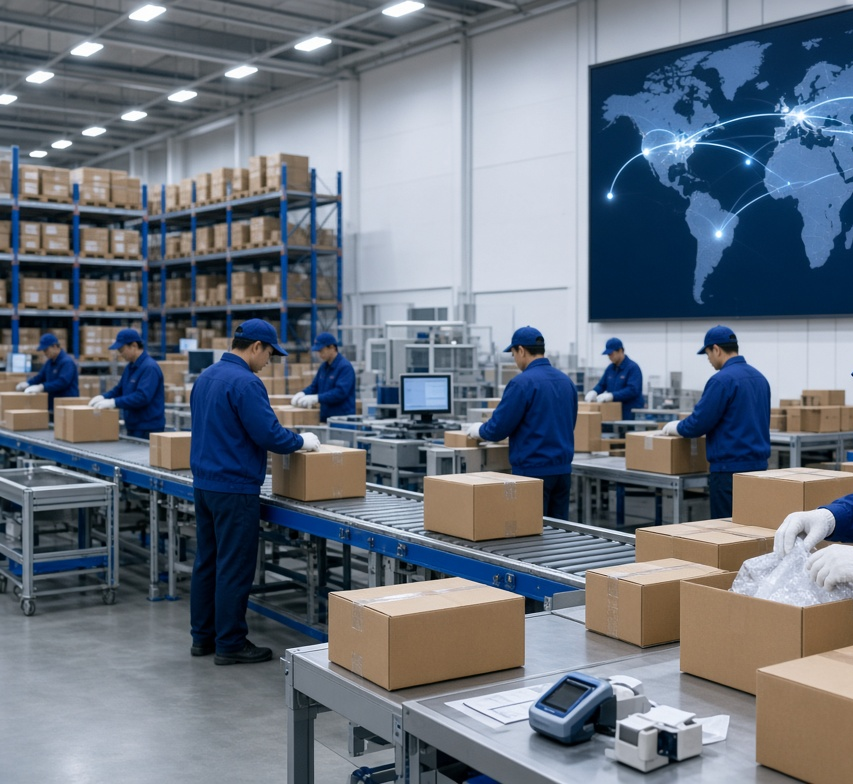
Fast shipping is now a decisive factor in dropshipping success. Learn how delivery speed, transparent tracking, reliable fulfillment, and smarter China sourcing can increase conversions, reduce refunds, improve customer trust, and grow repeat sales.
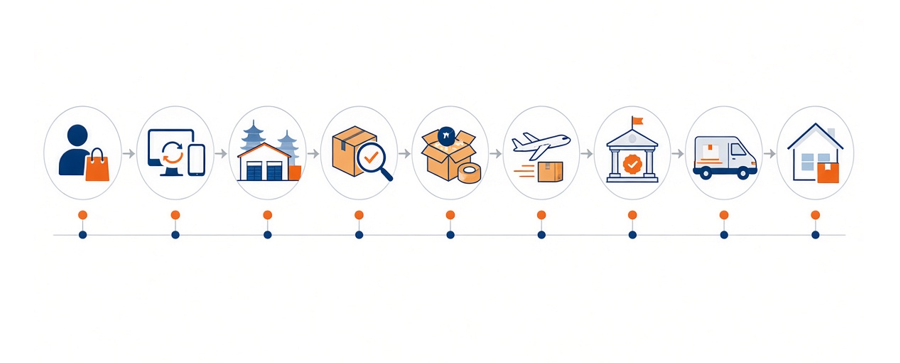
Fast shipping is no longer a “nice-to-have” advantage in dropshipping. It has become a core part of the product experience, directly influencing conversion rates, customer trust, repeat purchases, refund requests, and the long-term profitability of an online store.
For many merchants, the real competition is no longer just about finding a winning product or offering the lowest price. Customers now compare a store’s delivery promise with the speed, tracking visibility, and convenience they receive from major marketplaces. In dropshipping, where sellers do not physically control inventory or fulfillment, that makes shipping speed one of the most important operational decisions a business can make.
At Looperbuy, we see this from the sourcing and fulfillment side: a product can have strong demand and healthy margins, but a poor delivery experience can still turn an otherwise successful order into a chargeback, a negative review, or a lost customer.
Table of Contents
Fast Shipping Has Redefined Dropshipping Expectations
Dropshipping is a retail fulfillment model in which an online store sells products without keeping those products in stock. After a shopper places an order, the merchant forwards it to a supplier or fulfillment partner, which prepares and ships the package directly to the customer.
This model gives sellers important advantages:
– Lower upfront inventory investment
– Less warehouse risk
– Wider product-testing capacity
– Easier expansion into new categories
– Reduced operational complexity
However, the model also creates a major challenge: the seller owns the customer relationship, even when another party controls the shipment.
A customer who waits too long for a package will rarely blame an overseas supplier, a warehouse delay, a carrier handoff, or customs clearance. They blame the store where they placed the order.
That is why fast dropshipping shipping has become more than a logistics issue. It is now a brand, marketing, and customer-retention issue.
Baymard Institute’s cart-abandonment research found an average online shopping cart abandonment rate of 70.22%. Among the reported reasons, 40% of shoppers cited extra costs such as shipping, taxes, or fees, while 20% said delivery was too slow.
For a dropshipping seller, this means that a slow or unclear delivery promise can reduce sales before the order is even placed.
Why Delivery Speed Matters More Than Ever
Customers Compare You With Their Best Delivery Experience
Customers do not evaluate delivery speed only against other small ecommerce stores. They compare every purchase against the fastest, clearest, and most reliable shipping experience they have had recently.
A shopper may be willing to buy a niche product from an independent store. But they still expect:
– A clear estimated delivery date
– Reliable tracking information
– Timely dispatch updates
– Responsive support if a package is delayed
– No surprise customs fees or unexplained shipping charges
DHL’s 2026 ecommerce research reported that 20% of shoppers say faster delivery would encourage them to complete a purchase. The same research also highlights the growing importance of flexibility and convenience in the delivery experience.
The implication is clear: fast shipping helps close the sale, but reliable shipping helps protect the relationship.
Slow Shipping Increases Perceived Purchase Risk
A long delivery window creates uncertainty. The longer customers wait, the more time they have to question whether the order was legitimate, whether the product will match the description, or whether they should request a refund.
This risk is especially high for first-time buyers. They may not know your brand, and they may have no previous experience with your fulfillment process.
From a customer’s perspective, a product that takes 20 days to arrive can feel less valuable than a similar product that arrives in 5–10 days, even when the first option has a lower price.
Fast shipping changes the perception of a store in several ways:
| Customer perception | Slow or unclear delivery | Fast and transparent delivery |
| Brand credibility | May appear unreliable or inexperienced | Feels established and professional |
| Purchase urgency | Customers delay the purchase | Customers are more likely to buy now |
| Product value | Lower perceived value | Higher perceived value |
| Customer support burden | More “Where is my order?” messages | Fewer avoidable inquiries |
| Repeat purchase potential | Lower | Higher |
| Refund and dispute risk | Higher | Lower |
The most important word in this table is not simply “fast.” It is transparent.
A seller should never promise 5–8 business days if the actual delivery range is often 10–16 business days. An honest 8–14-day promise, supported by visible tracking and dependable updates, can outperform an unrealistic speed claim that leads to disappointment.
Fast Shipping Is a Conversion-Rate Lever
Delivery Information Can Decide the Checkout
Many stores invest heavily in product descriptions, influencer content, paid advertising, landing pages, and discount offers. Yet they often hide shipping information in a policy page that customers discover only after adding an item to the cart.
That creates friction at the most important moment: checkout.
Baymard recommends showing full order costs early and presenting delivery dates or shipping speeds before shoppers reach the final stages of checkout. Its research specifically recommends displaying an estimated delivery date, rather than only a generic shipping-speed label, for each available delivery option.
For dropshipping stores, the strongest approach is usually to show:
1. Product processing time
2. Estimated shipping range by destination
3. Available delivery methods
4. Whether tracking is included
5. Any possible customs or duties information
6. A link to the full shipping policy
Use Delivery Dates, Not Vague Promises
Avoid generic statements such as:
– “Fast worldwide shipping”
– “Delivery in 7–20 days”
– “Shipping may vary”
– “We ship internationally”
These statements do not answer the shopper’s real question: When will my order arrive?
Instead, use destination-specific delivery expectations.
For example:
> United States: Estimated delivery in 7–12 business days
> United Kingdom: Estimated delivery in 6–10 business days
> Australia: Estimated delivery in 8–14 business days
> Processing time: Most in-stock orders are prepared within 1–3 business days
> Tracking: Tracking information is sent after dispatch
This format is easier to understand, reduces uncertainty, and sets a realistic expectation before payment.
The Real Definition of Fast Shipping
Fast shipping does not mean choosing the most expensive courier for every package. It means building a fulfillment system that reduces avoidable delays across the entire order journey.
The total delivery experience includes more than transit time.
Total Delivery Time=Order Processing Time+Warehouse Handling Time+Carrier Transit Time+Customs Time+Last-Mile Delivery Time
A seller may select a fast international shipping line, but still deliver a poor customer experience if the supplier takes five days to confirm stock, the warehouse takes three days to pack the order, or tracking remains inactive for too long.
Five Components of Fast Dropshipping Fulfillment
1. Fast Product Sourcing
Speed begins before the customer orders. Sellers need reliable access to products that are actually available, rather than listings with outdated stock levels or unclear supplier lead times.
A sourcing partner should be able to help merchants identify:
– In-stock product availability
– Product variants and specifications
– Supplier response speed
– Reorder feasibility
– Alternative factories or suppliers
– Product quality consistency
For trending products, sourcing speed matters even more. A viral product can lose momentum quickly. If a merchant needs a week simply to confirm availability, the market opportunity may already be shrinking.
2. Efficient Order Processing
Processing time is often overlooked because customers focus on delivery days. But the shipment cannot move until the order is confirmed, picked, inspected, packed, labeled, and handed to the carrier.
Shopify distinguishes the shipping date from the delivery date. The shipping date is when the carrier physically takes possession of the package, while the delivery date is when it reaches the customer. A realistic delivery estimate should account for both processing time and transit time.
For dropshipping merchants, improving processing time can be one of the most controllable ways to improve the overall customer experience.
3. Quality Control Before Dispatch
Fast shipping without product checks can create another problem: faster delivery of the wrong, damaged, or incomplete item.
A strong fulfillment process should include practical quality-control steps such as:
– Checking the correct product model, color, size, or variation
– Inspecting obvious damage before packing
– Confirming order quantity
– Verifying customer address formatting when needed
– Removing unnecessary supplier invoices or promotional materials
– Checking that the parcel is packed appropriately for the product type
A perfect order is not merely a fast order. It is an order that arrives accurately, on time, complete, and undamaged. Shopify describes this as perfect order fulfillment.
4. Appropriate Shipping-Line Selection
There is no single best shipping method for every dropshipping order.
The right option depends on:
– Customer destination
– Product size and weight
– Product category and shipping restrictions
– Value of the order
– Required delivery speed
– Tracking quality
– Customs sensitivity
– Margin available for shipping costs
A lightweight beauty accessory and a large electronic item should not necessarily use the same shipping solution. Sellers should compare shipping methods by actual delivery performance, not only the quoted price.
5. Proactive Tracking and Exception Management
Tracking is a trust tool. It reassures customers that an order exists, has been dispatched, and is moving through the delivery network.
However, tracking alone is not enough. Sellers also need a process for shipping exceptions, including:
– No tracking updates after dispatch
– Address issues
– Failed delivery attempts
– Customs clearance delays
– Lost packages
– Damaged parcels
– Customer requests for delivery updates
The World Bank notes that international logistics performance involves not only speed but also reliability and connectivity. Its shipment-level logistics research highlights major differences across regions, as well as time penalties and unpredictability around border procedures and transshipment points.
In other words, cross-border shipping cannot always be made perfectly predictable. But a good fulfillment partner can make it far more visible, manageable, and honest.
A Practical Shipping Strategy for Dropshipping Stores
Segment Products by Shipping Requirement
Do not apply one universal shipping rule to your entire catalog. Build product groups based on delivery expectations and operational complexity.
| Product category | Recommended shipping approach | Primary priority |
| Lightweight everyday products | Tracked economical line | Balance cost and delivery speed |
| Trend-driven products | Faster tracked line | Capture demand before interest falls |
| High-ticket products | Reliable premium shipping with insurance options | Trust and loss prevention |
| Fragile products | Protective packaging and reliable carrier | Product safety |
| Repeat-purchase goods | Consistent tracked service | Customer retention |
| Seasonal or gift items | Faster shipping with clear cutoff dates | Arrival before key dates |
This approach helps merchants protect profit margins while using faster shipping where it has the greatest commercial impact.
Build a Shipping Promise Around Real Performance
The best shipping policy is based on actual order data, not the fastest estimate offered by a carrier.
Track these metrics every month:
– Average processing time
– Average delivery time by country
– On-time delivery rate
– Tracking activation time
– Delivery exception rate
– Refund rate caused by delays
– “Where is my order?” support-ticket volume
– Repeat-purchase rate by delivery method
For example, if a shipping line claims 6–10 business day delivery to the United States but your real order data shows that most packages arrive in 8–13 business days, publish the more realistic window.
This may appear less aggressive at first. But it creates fewer complaints, fewer refund requests, and a stronger long-term reputation.
How Looperbuy Supports Faster Dropshipping Shipping
For global B2B sellers sourcing from China, the goal should not be to choose between low inventory risk and a professional delivery experience. The right sourcing and fulfillment system can support both.
Looperbuy helps merchants simplify the operational stages that often slow down cross-border dropshipping:
– Product sourcing from China
– Supplier communication and order coordination
– Product consolidation
– Quality inspection support
– Custom packaging and branding options
– International shipping coordination
– Tracking and order-management visibility
– Direct-to-customer fulfillment
This can be especially valuable for sellers managing multiple products, suppliers, markets, or storefronts. Instead of coordinating every sourcing and shipping step independently, merchants can create a more centralized workflow.
The business value is not simply faster parcel movement. It is the ability to reduce the hidden delays that occur before a package enters the carrier network.
Example: Turning Shipping Into a Competitive Advantage
Imagine two stores selling nearly identical portable desk organizers.
Store A offers the product for $19.99 and displays “Shipping: 10–25 days” in a policy page. It provides limited tracking and does not explain processing time.
Store B offers the product for $22.99. Its product page clearly states:
– Orders are processed within 1–3 business days
– Estimated U.S. delivery: 7–12 business days
– Tracked shipping included
– Packaging checked before dispatch
– Support available for delivery exceptions
Store A may attract some price-sensitive shoppers. But Store B is likely to create more confidence among customers who care about when their order will arrive.
The $3 difference is not only a price difference. It represents a more predictable purchase experience.
That is why shipping speed is becoming a commercial differentiator in dropshipping. Customers increasingly buy certainty, not just products.
Final Thoughts
Fast shipping is becoming the most important factor in dropshipping because it affects nearly every stage of the customer journey. It influences whether a shopper completes checkout, how they judge your brand, how often they contact support, whether they request a refund, and whether they buy from you again.
The winning strategy is not to promise unrealistic delivery times. It is to build a faster, clearer, and more reliable fulfillment process from sourcing through final-mile delivery.
For dropshipping sellers sourcing products from China, that means working with partners that can reduce delays before dispatch, offer dependable shipping options, provide useful tracking visibility, and help protect the customer experience at scale.
Ready to improve your dropshipping fulfillment process? Contact Looperbuy to source products from China, streamline order handling, and build a more reliable shipping experience for customers in your target markets.
Frequently Asked Questions
1. Is fast shipping important for dropshipping?
Yes. Fast shipping is one of the most important factors in dropshipping because it affects conversion rates, customer satisfaction, reviews, repeat purchases, refunds, and chargeback risk. Customers increasingly expect clear delivery estimates and active tracking, even when products are shipped internationally.
2. What is considered fast shipping for dropshipping?
The answer depends on the destination, product type, and shipping method. For many ecommerce customers, delivery within roughly 5–12 business days can be competitive for cross-border dropshipping when the estimate is clear and tracking is reliable. Domestic fulfillment may be faster, but a transparent international shipping experience can still perform well.
3. How can dropshipping sellers reduce shipping times from China?
Sellers can reduce avoidable delays by working with responsive suppliers, confirming stock before listing products, using a fulfillment partner, choosing suitable tracked shipping lines, consolidating orders where appropriate, completing quality checks efficiently, and setting realistic processing-time standards.
4. Should a dropshipping store offer free shipping or fast shipping?
The best choice depends on product margins and customer expectations. Many stores use a hybrid approach: include tracked standard shipping in the product price, then offer a paid expedited option when available. The key is to show the full cost and estimated delivery date clearly before checkout.
5. How should I display dropshipping delivery times on a product page?
Show the processing time, estimated delivery range by country, tracking availability, and any potential customs information. Use specific language such as “Estimated delivery to the U.S.: 7–12 business days” instead of vague claims such as “fast global shipping.”
6. Can fast shipping reduce customer-service workload?
Yes. Clear delivery estimates, early tracking activation, automatic shipment notifications, and proactive handling of delayed parcels can reduce avoidable “Where is my order?” inquiries. Faster processing also shortens the period during which customers feel uncertain about their order.
References
1. Baymard Institute. “Cart Abandonment Rate Statistics.” Average cart-abandonment rate and survey-based reasons for checkout abandonment, including shipping cost and delivery-speed concerns. [https://baymard.com/lists/cart-abandonment-rate]
2. Baymard Institute. “How to Reduce Cart Abandonment: Data-Backed UX.” Guidance on displaying full costs, delivery information, and estimated delivery dates during cart and checkout. [https://baymard.com/learn/reduce-cart-abandonment]
3. DHL Group. “DHL E-Commerce Trends Report 2026: Old Rules Don’t Apply in the Age of AI.” Findings on customer convenience, delivery expectations, and the role of faster delivery in purchase completion. [https://group.dhl.com/en/media-relations/press-releases/2026/dhl-ecommerce-trends-report-2026-old-rules-do-not-apply-in-the-age-of-ai.html]
4. Shopify. “What Is Dropshipping and How Does It Work?” Explanation of the dropshipping fulfillment model and the roles of sellers and suppliers. [https://www.shopify.com/blog/what-is-dropshipping]
5. Shopify. “Shipping Date Meaning: Key Shipping Dates To Track.” Explanation of processing time, shipping dates, delivery dates, and how these affect ecommerce delivery expectations. [https://www.shopify.com/blog/shipping-date-meaning]
6. Shopify. “How To Achieve Perfect Order Fulfillment in 7 Steps.” Guidance on accurate, complete, on-time, and damage-free order fulfillment. [https://www.shopify.com/blog/perfect-order-fulfillment]
7. World Bank. “Connecting to Compete 2023: Trade Logistics in an Uncertain Global Economy.” Research on international logistics performance, supply-chain speed, connectivity, reliability, and shipment-level tracking data. [https://openknowledge.worldbank.org/entities/publication/1d16acd0-fa9a-448f-8179-b2a3604912eb]