
Table of Contents
Introduction to International Shipping
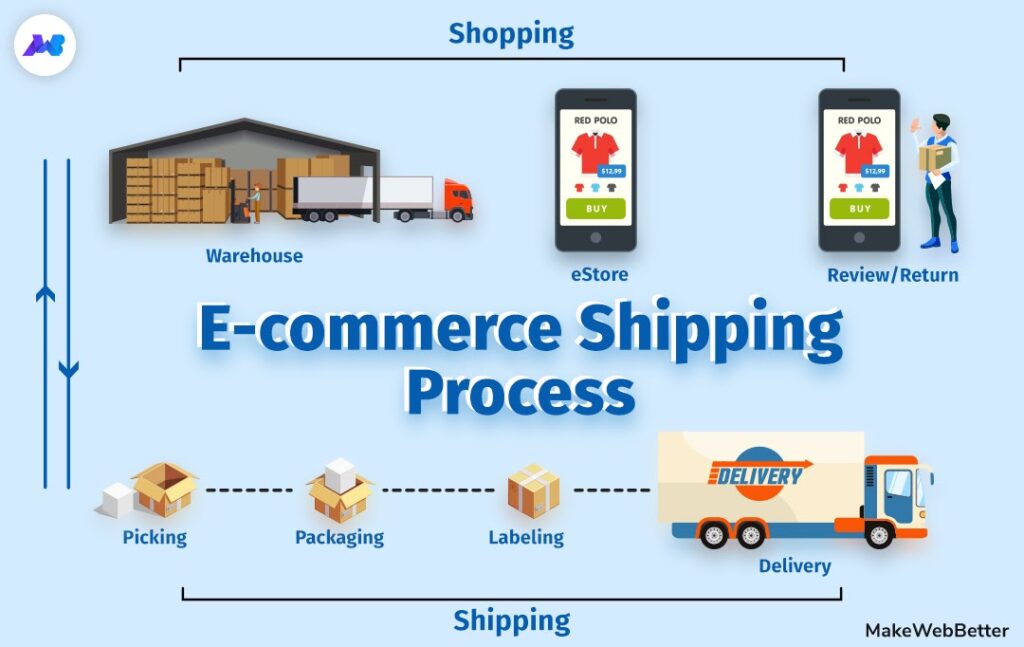
In today’s global marketplace, businesses are increasingly looking to expand their reach beyond local borders. International shipping has become a vital component of e-commerce, allowing companies to sell products to customers around the world. However, one of the most significant challenges faced by businesses is finding affordable shipping solutions that do not compromise on quality or reliability. This article will explore various aspects of international shipping, including strategies for reducing costs, understanding shipping options, and tips for ensuring a smooth shipping process.
Understanding International Shipping
What is International Shipping?
International shipping refers to the process of transporting goods from one country to another. This can involve various modes of transportation, including air, sea, and land. The complexity of international shipping arises from the need to navigate customs regulations, tariffs, and different shipping providers.
Importance of Affordable Shipping
Affordable shipping is crucial for businesses looking to compete in the global market. High shipping costs can deter customers from making purchases, leading to lost sales opportunities. By finding cost-effective shipping solutions, businesses can enhance their competitiveness, improve customer satisfaction, and ultimately increase their bottom line.
Key Factors Influencing Shipping Costs
Shipping Method
The choice of shipping method significantly impacts costs. Common options include:
- Air Freight: Fast but often more expensive, air freight is ideal for urgent shipments.
- Sea Freight: More economical for larger shipments, sea freight takes longer but can save businesses money.
- Land Freight: Suitable for shipments within continents, land freight can be a cost-effective option for regional deliveries.
Package Size and Weight
Shipping costs are typically calculated based on the size and weight of the package. Larger and heavier packages incur higher shipping fees. Businesses should consider optimizing packaging to reduce dimensions and weight, which can lead to significant savings.
Destination
Shipping costs can vary based on the destination country. Remote or less accessible locations may incur higher fees due to additional handling and transportation requirements. Understanding the shipping zones and rates for different countries can help businesses plan their shipping strategies effectively.
Customs Duties and Taxes
When shipping internationally, businesses must be aware of customs duties and taxes that may apply. These fees can vary significantly by country and product type. Properly classifying goods and understanding the applicable tariffs can help businesses avoid unexpected costs.
Strategies for Reducing Shipping Costs
Compare Shipping Providers
Different shipping providers offer varying rates and services. Businesses should compare quotes from multiple carriers, including major players like FedEx, UPS, DHL, and local postal services. Utilizing shipping comparison tools can streamline this process and help identify the most cost-effective options.
Negotiate Rates
For businesses that ship regularly, negotiating shipping rates with carriers can lead to significant savings. Many shipping providers offer discounts for high-volume shippers or long-term contracts. Establishing a good relationship with carriers can also lead to better service and pricing.
Utilize Flat Rate Shipping
Flat rate shipping options can be beneficial for businesses with predictable shipping needs. This pricing model allows businesses to ship items at a fixed cost, regardless of weight or distance, simplifying budgeting and pricing strategies.
Optimize Packaging
Using the right packaging can help reduce shipping costs. Businesses should consider using lightweight materials and minimizing package size to lower dimensional weight charges. Additionally, using standardized box sizes can streamline the packing process and reduce waste.
Leverage Technology
Investing in shipping software can help businesses automate shipping processes, track shipments, and manage inventory more efficiently. Many platforms offer features that allow businesses to compare shipping rates, print labels, and manage orders from a single interface.
Understanding Shipping Options
Standard Shipping
Standard shipping is the most common option for international deliveries. It typically takes longer than expedited services but is more affordable. Businesses should communicate estimated delivery times to customers to manage expectations.
Expedited Shipping
Expedited shipping options, such as express or overnight services, are available for urgent shipments. While these services are faster, they come at a premium cost. Businesses should evaluate whether the speed of delivery justifies the additional expense.
Freight Shipping
For larger shipments, freight shipping is often the most economical choice. Businesses can choose between full container loads (FCL) or less than container loads (LCL) based on their shipping needs. Understanding the differences between these options can help businesses make informed decisions.
Dropshipping
Dropshipping is a fulfillment method where businesses sell products without holding inventory. Instead, they partner with suppliers who ship products directly to customers. This model can reduce shipping costs and inventory management challenges, making it an attractive option for many e-commerce businesses.
Tips for Ensuring Smooth Shipping Processes
Prepare Accurate Documentation
Proper documentation is essential for international shipping. This includes commercial invoices, packing lists, and customs declarations. Ensuring that all paperwork is accurate and complete can help prevent delays and additional fees at customs.
Track Shipments
Utilizing tracking services allows businesses and customers to monitor shipments in real-time. Providing tracking information enhances customer satisfaction and helps businesses address any issues that may arise during transit.
Communicate with Customers
Clear communication with customers regarding shipping policies, estimated delivery times, and potential delays is crucial. Keeping customers informed can help manage expectations and build trust.
Stay Informed About Regulations
International shipping regulations can change frequently. Businesses should stay informed about customs requirements, tariffs, and trade agreements that may impact their shipping processes. Joining industry associations or subscribing to trade publications can provide valuable insights.
Conclusion
Navigating the world of international shipping can be complex, but finding affordable solutions is essential for success in the global marketplace. By understanding the factors that influence shipping costs, implementing effective strategies, and leveraging technology, businesses can enhance their shipping processes and improve customer satisfaction. As the e-commerce landscape continues to evolve, staying informed and adaptable will be key to thriving in this competitive environment.
As you explore the world of international shipping, remember that finding affordable solutions can significantly enhance your business’s profitability. Discover unbeatable shipping options and elevate your e-commerce experience at https://looperbuy.com/.
Related Questions & Answers
· What are the most common mistakes to avoid when selecting dropshipping suppliers? Common mistakes include failing to research suppliers thoroughly, not requesting samples, and neglecting to evaluate shipping times and costs.
· How can I negotiate better pricing and terms with my dropshipping suppliers? Research market rates, build a good relationship with suppliers, and be prepared to discuss your needs openly to negotiate better terms.
· What are some alternative product sourcing methods besides dropshipping? Alternative methods include wholesale purchasing, private labeling, and manufacturing products in-house.
· How can I ensure timely delivery when shipping internationally? Choose reliable shipping providers, monitor shipping times, and maintain clear communication with suppliers and customers.
· What are the key performance indicators (KPIs) for evaluating shipping performance? Key performance indicators include on-time delivery rates, shipping costs, order accuracy, and customer satisfaction ratings.
Hot Tags: International Shipping; Affordable Shipping Solutions; E-commerce Logistics; Shipping Strategies; Freight Shipping; Dropshipping; Shipping Costs; Customs Regulations; Shipping Technology